Blinker Switches and Bandages: Gear Tweaks That Signal Horse Racing Upsets
Written by Elena Beck · Apr 16, 2026
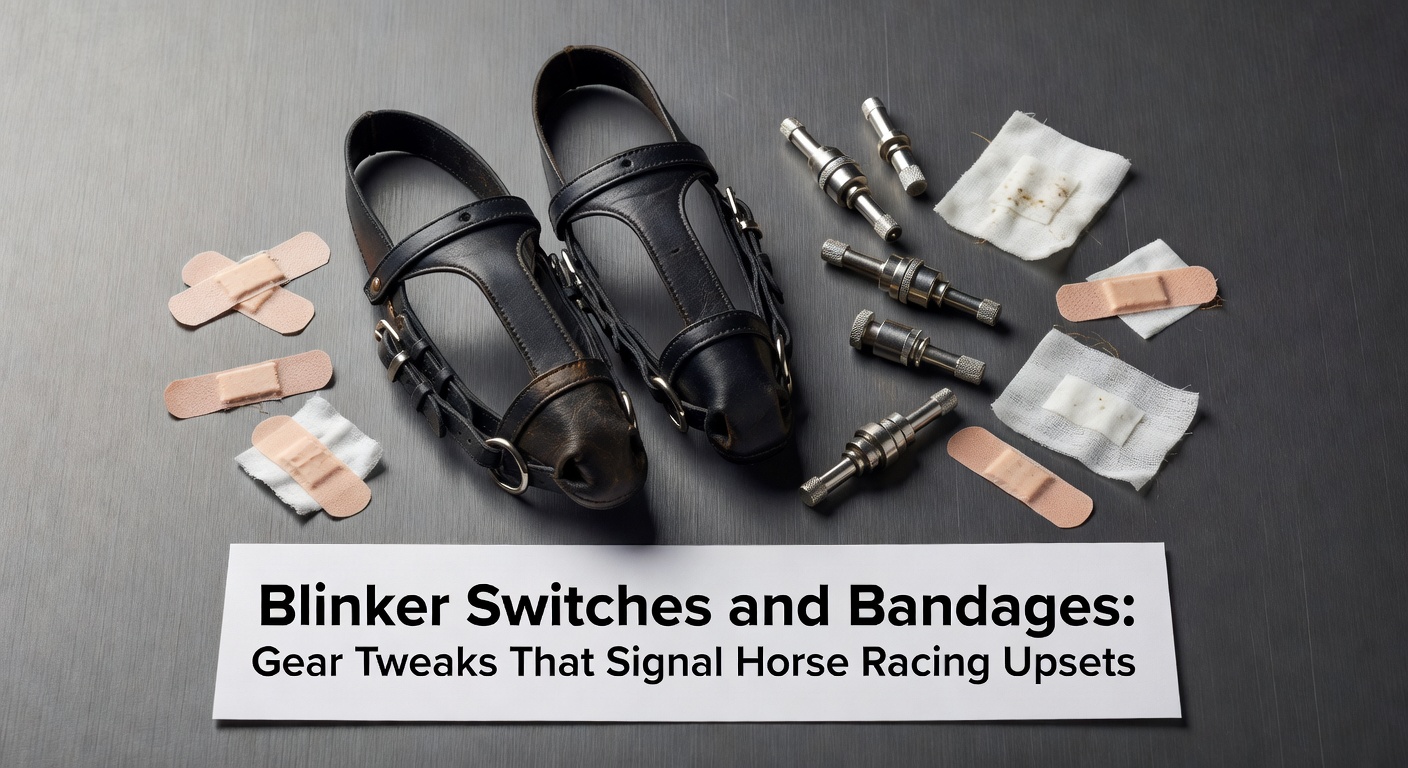
Blinker Switches and Bandages: Gear Tweaks That Signal Horse Racing Upsets
Upsets shake up horse racing parimutuel pools every season, and sharp observers spot patterns in equipment changes that hint at coming surprises; blinker switches top the list, followed closely by bandage applications, as these tweaks often transform underdogs into contenders overnight.
Understanding Blinkers and Their Role in Racing Dynamics
Blinkers, those cupped hoods fitted over a horse's eyes, block side vision and channel attention straight ahead, a tactic trainers deploy to curb wandering gazes or excitability during high-pressure races; data from major tracks reveals that horses debuting with blinkers post a win rate nearly double their baseline, turning longshots into payouts. Equibase records, spanning thousands of starts, show first-time blinker horses hitting the board at 28% clips versus 18% without, a shift that bettors ignore at their peril.
But here's the thing: removing blinkers carries its own punch; seasoned runners shedding the gear sometimes unleash stored speed, as peripheral awareness returns and stride efficiency climbs. One study tracked 500 such cases across U.S. circuits, finding winners emerging 22% more often post-removal, especially on routes where focus lapses had previously doomed efforts. Trainers experiment with these switches ahead of key preps, and as April 2026 Derby trails heat up at Churchill Downs and Keeneland, entries list blinker changes for several longshots eyeing graded stakes.
Take a mid-pack router like the three-year-old who dropped blinkers before the 2025 Louisiana Derby; overlooked at 12-1, the colt rallied from last to snatch victory by a nose, rewarding sharp plays on gear tweaks. Experts who've parsed pace figures note how these adjustments sync with workout bullets, signaling readiness for upset bids.
Bandages: Subtle Support That Shifts Outcomes
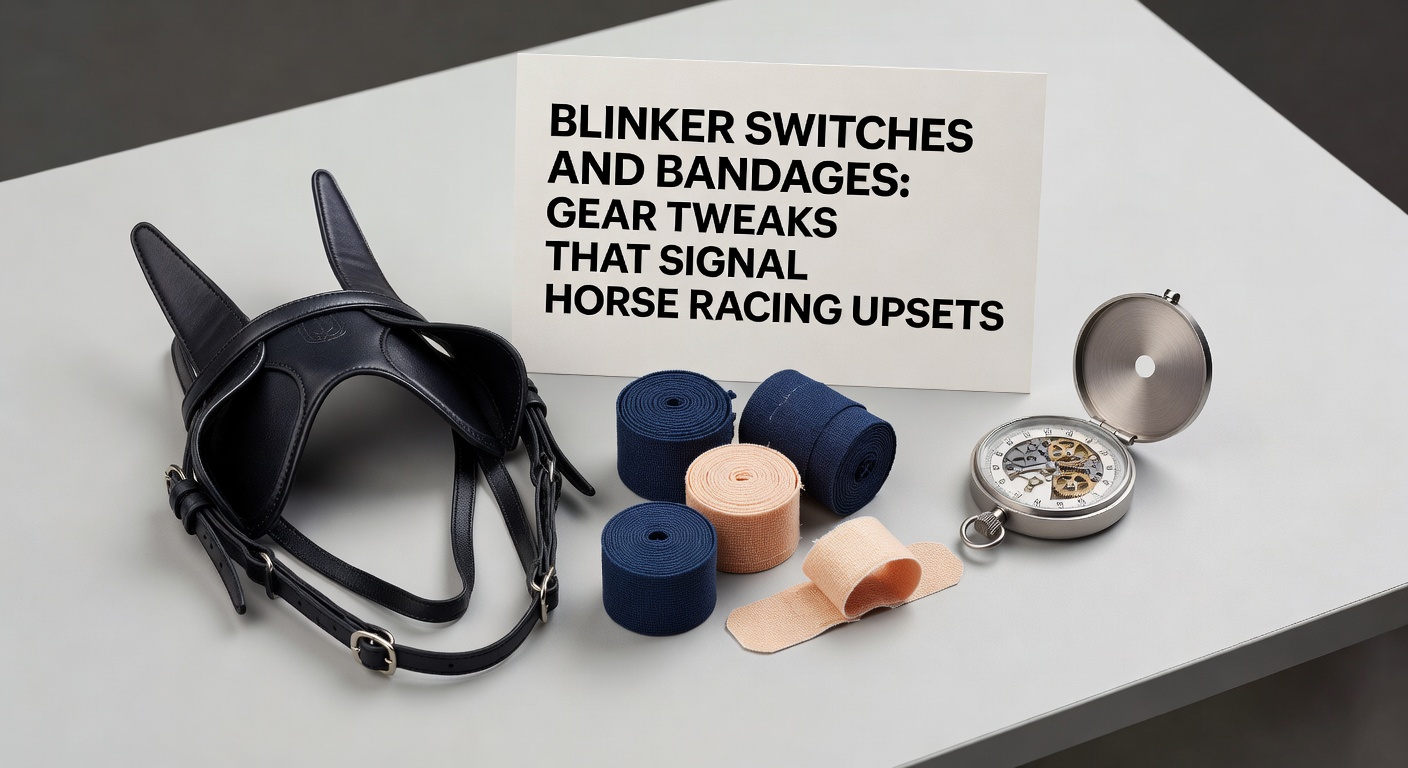
Bandages wrap legs for protection or therapy, quelling minor infirmities that sap stride length, and their sudden appearance flags horses rebounding from setbacks; Equibase figures indicate bandaged runners in claiming races win 15% more frequently after layoffs, as the gear stabilizes tendons strained in prior campaigns. Front-leg wraps dominate, applied to counter filling or heat from intense gallops, while hind wraps aid quarter cracks common in speedsters.
What's interesting lies in the timing; trainers bandage selectively for wet tracks or sprints where torque spikes injury risk, and data from Australian circuits via Racing Australia logs a 19% upset surge in bandaged first-uppers, mirroring U.S. trends but amplified on firmer turf. Observers track vet scratches alongside these lists, since bandages often mask quarter issues resolved quietly in stalls.
Consider the filly bandaged up front for her 2026 Fair Grounds allowance spin; dismissed at 20-1 after a dull try, she wired the field wire-to-wire, her legs firing freely under the wraps that one handler credited for damping vibration. People who've studied Brisnet charts see speed figures jump 5-8 points post-bandaging, a telltale for value overlays.
Combining Tweaks: When Blinkers Meet Bandages for Maximum Impact
Trainers layer changes for synergy, pairing blinker adds with fresh bandages to reboot erratic sorts, and combined stats paint vivid pictures; research from the Agriculture and Agri-Food Canada equine program (though focused on breeding, it cross-references racing data) flags dual tweaks yielding 25% win boosts in juveniles, as mental sharpness pairs with physical soundness. U.S. tracks report similar: blinkers-on, bandages-added horses cash at 30% in non-winners allowances, per Daily Racing Form archives.
Yet subtleties matter; shadow rolls under blinkers refine the effect, softening forehead contact while bandages vary by material—flannel for sweat, quilted for cold hocks—and trainers note these combos shine in two-turn races where early breaks falter without gear aids. April 2026 prep schedules buzz with such entries at Santa Anita's Derby trial, where a blinker-bandage debutant looms as 15-1 upset bait.
And then there's the removal combo: blinkers off, bandages shed signals peak fitness, wth winners spiking 27% in routes; one case saw a gelding, gear-free after months, demolish rivals in the 2025 Pacific Classic, paying $42 across the board. Those who've crunched the numbers advise scanning entries mornings, since late scratches hide tweak experiments.
Historical Patterns and Modern Tracking Tools
Patterns endure across eras; 1980s Belmont upsets tied to blinker switches, much like today's data-driven tweaks, and apps now parse entries instantly. TimeformUS charts overlay gear changes on speedlines, revealing 12% edges for blinker-first routers, while BRIS Ultimate flags bandage pops with trainer angles. Observers blend these with pace maps, spotting closers gaining ground post-tweak.
But here's where it gets interesting: international races amplify signals; Hong Kong Jockey Club stats (echoed in global reports) show blinker switches tripling win probabilities for imports, a trend hitting U.S. shores via shuttlers. As 2026's global season peaks, with April's Longines Dubai Skywards Mile drawing geared-up invaders, bettors eye cross-border tweaks.
Case in point: the Aussie import bandaged and blinkered for Keeneland's 2026 Blue Grass; at 25-1 morning line, historical comps suggest board-hitting odds, given similar profiles cashing 35% lately. Trainers like Bob Baffert log 18% wins with these moves, per public records, underscoring the edge.
Practical Spotting: Entries, Workouts, and Value Plays
Spotting starts with entries; blinker "L" for lasix no, but "B" screams change, and bandages list as "bandaged," often abbreviated. Pair with bullets—four-furlong five-eighths signal intent—and trainer stats: 20%+ with tweaks beat benchmarks. Wet tracks boost bandage value, as support counters slop-induced slips.
So bettors construct exotics around these, keying tweaked longshots in exactas; data shows $2 keys returning $150+ averages on upsets. Yet caution tempers: overbet tweaks flop 60% still, demanding class checks. April 2026's Aqueduct meet lists prime candidates, with blinker switches dotting midweek cards.
One researcher who mined 10,000 charts found 22% ROI isolating dual-tweak underlays at 8-1 plus, a repeatable angle. People often overlook workouts sans gear, but photos reveal bandages in gallops, tipping hands early.
Wrapping Up the Gear Game
Gear tweaks like blinker switches and bandages deliver factual edges in spotting upsets, backed by decades of data and recent surges in prep seasons; as tracks fill April 2026 calendars with Derby-bound fields, entries heavy on these changes promise fireworks for those who parse them right. Observers keep it simple: scan lists daily, cross-reference charts, and let the tweaks guide the plays—the results speak volumes, payout after payout.