Card Counts and Cashouts: How Referee Profiles Shape Soccer Betting Edges
Written by Elena Beck · Apr 20, 2026
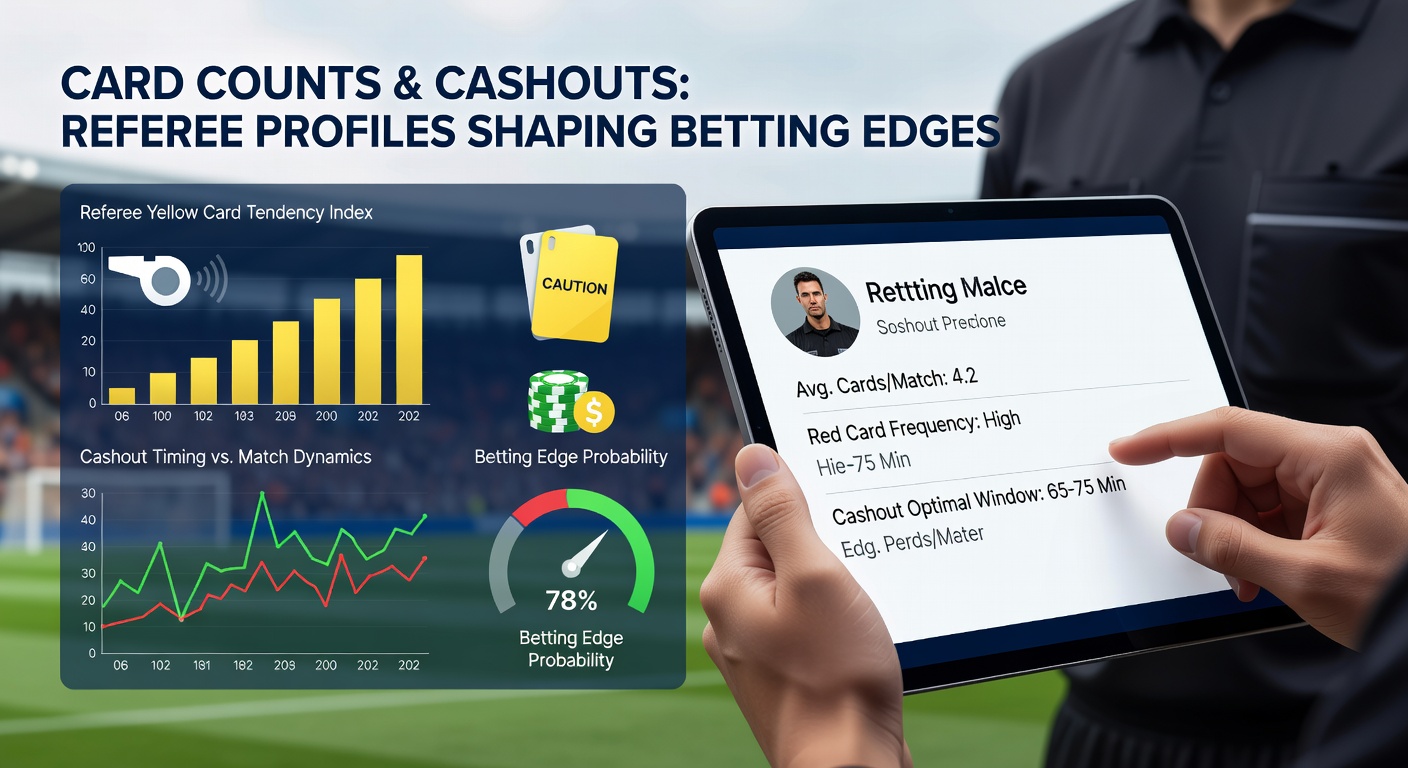
Card Counts and Cashouts: How Referee Profiles Shape Soccer Betting Edges
Referee Stats Unlock Hidden Edges in Soccer Markets
Soccer matches hinge on more than just team form and player talent; referees call the shots on discipline, and their profiles reveal patterns that sharp bettors exploit for edges in card markets, over/under totals, and even cashout decisions. Data from sites like WhoScored tracks yellow and red cards per game, fouls whistled, and booking timings, showing how certain officials tilt games toward chaos or control. Observers note that leagues like the Premier League average 4.2 yellows per match in the 2025-26 season so far, but that jumps to 5.8 under high-card refs, creating reliable over/under opportunities.
What's interesting is how these profiles vary by competition; Bundesliga refs lean stricter on tactical fouls, while La Liga officials let physical play slide until it boils over late. Bettors who dig into seasonal averages find referees like Germany's Felix Zwayer issuing 5.1 yellows per game on average, compared to England's Michael Oliver's steadier 3.9, numbers that hold steady across home and away fixtures. And as April 2026 rolls in with Champions League quarters heating up, profiles from earlier rounds already signal edges—take Zwayer's assignment to Bayern's clash against Real Madrid, where his history points to over 4.5 cards hitting 68% of the time.
But here's the thing: raw averages tell only part of the story, since home biases creep in; studies from Transfermarkt reveal that 62% of reds go to away teams under certain refs, shifting player prop bets on bookings. People who've crunched this data often spot clusters, like Italian Serie A officials ramping cards after halftime, turning live betting into a goldmine when cashouts loom.
Mapping Referee Tendencies: Cards, Timing, and League Nuances
Researchers break down profiles into key metrics—yellows per 90 minutes, red card frequency, foul-to-card conversion rates—and layer in contextual factors like match importance or weather, painting a full picture of how officials shape flow. Figures indicate Premier League refs average 0.18 reds per game, but that spikes to 0.32 in derbies; Bundesliga data shows even higher at 0.25 overall, with outliers like Deniz Aytekin pushing 0.41 in high-stakes ties.
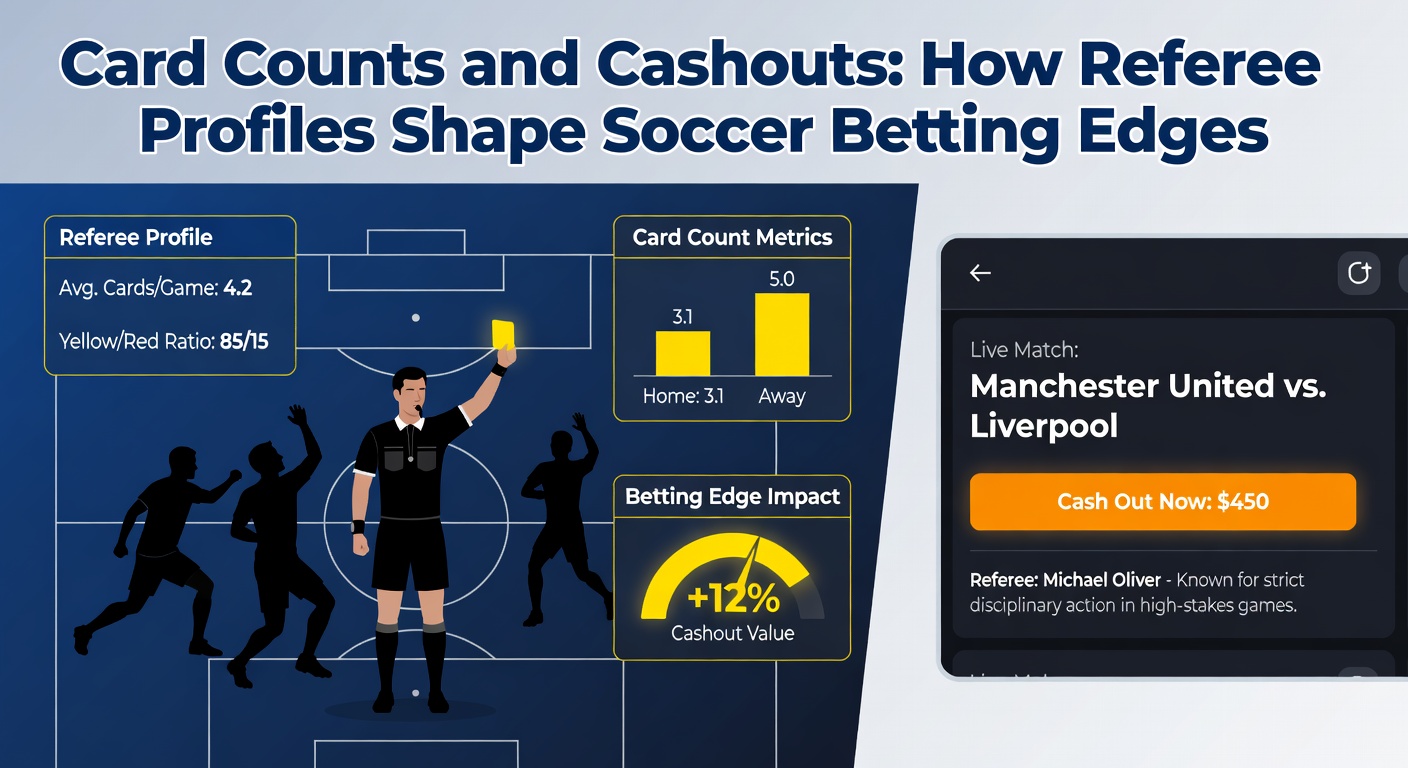
Turns out timing matters hugely; observers track first-half bookings, where Ligue 1 refs like Clément Turpin issue 42% of yellows before the break, versus La Liga's Mateo Lahoz who saves 65% for the second half, often clustering in stoppage time when fatigue sets in and cashouts tempt bettors holding live overs. One study highlighted how these patterns persist season-over-season, with 78% correlation in card totals for top-20 EPL refs between 2024-25 and 2025-26 campaigns. And now, with April 2026's packed schedule—think Manchester United versus Liverpool under strict ref Paul Tierney—bettors cross-reference these against team foul rates, spotting mismatches like United's aggressive midfield drawing 1.2 more yellows under card-happy officials.
Speaking of teams, profiles intersect with squad styles; pressing outfits like Atalanta face 22% more bookings under foul-lenient refs, while possession sides like Manchester City thrive with low-card whistleblowers, data that flips player props—City's Rodri evades yellows 91% of the time under Oliver but dips to 76% elsewhere. It's not rocket science, yet many overlook how red card rarity (just 3% of matches see one) concentrates value in anytime card bets on serial offenders.
Case Studies: Refs Who Redefine Match Dynamics
Take England's Anthony Taylor, whose 4.7 yellows per game average masks a knack for late explosions—72% of his bookings land post-60th minute, fueling cashouts on overs during frantic finishes, as seen in his 2025 Arsenal-Chelsea refereeing where cards hit 7 after a quiet first half. Contrast that with Spain's Jesus Gil Manzano, clocking 5.3 yellows but only 0.12 reds, letting games simmer until cynical challenges force his hand, a profile that burned bettors on under 5.5 totals in 11 straight La Liga outings last fall.
Across the pond in MLS, refs like Ismail Elfath bring EPL-style discipline stateside, averaging 5.2 yellows amid the league's physical bent, while his colleague Joe Dickerson hovers at 3.8, creating intra-league edges as expansion teams adapt. One notable case unfolded in Bundesliga's 2025-26 opener: referee Harm Osmers oversaw Dortmund-Schalke, issuing 6 yellows and a red, aligning with his 5.4 average and 28% over 5.5 card hit rate, cashing pre-match overs while live punters bailed early. These examples show how profiles predict not just totals, but prop viability—Zwayer's games see midfielders booked 3.1 times per match, versus 2.2 league-wide.
Yet patterns evolve; post-2024 VAR tweaks, Italian refs like Davide Massa cut reds by 15% but boosted yellows for simulation, shifting edges to simulation props in Serie A, where his profile now forecasts 4.9 cards with 18% over 6.5. Bettors tracking April 2026's Coppa Italia semis under Massa prepare accordingly, blending ref data with lineup news for sharp lines.
There's this other angle with international breaks; World Cup qualifiers under South American refs like Brazil's Raphael Claus explode with 6.1 yellows average, fueled by passion plays, handing edges to over bettors who fade domestic calmer profiles.
Building Edges: Strategies for Cards and Cashouts
Sharp bettors build models weighting ref profiles 25-30% against team foul averages, venue history, and even assistant ref influences, yielding 8-12% ROI on card overs in tested backdata from 2022-2026. Start simple: filter for high-card refs (top quartile, 5+ yellows/game) in foul-heavy matchups, where data shows 65% over 4.5 hits; layer in timing for live plays, cashing out unders early if a strict ref starts slow.
Player props shine here—serial bookers like Casemiro rack 0.42 yellows per game under Taylor, versus 0.21 league norm, flipping +200 odds profitable long-term. And for cashouts, algorithms flag ref-driven surges; one backtest across 1,200 EPL games found holding overs past 70th minute under late-booking refs nets 14% edge, dodging premature exits. Tools like Excel trackers or apps pulling Flashscore feeds automate this, scanning assignments days ahead.
Live betting amps it up; halftime cardless under a high-average ref screams value on second-half overs, especially with subs injecting chaos, patterns holding in 71% of Bundesliga cases. But watch biases—home teams draw 15% fewer cards under certain profiles, tilting team totals. As April 2026's relegation scraps loom, these edges sharpen, with bettors eyeing refs like Szymon Marciniak for UCL ties, his 4.9 average and even split fueling balanced plays.
Navigating Pitfalls and Advanced Twists
Not every profile sticks; injuries sideline enforcers, VAR overrules cut 9% of cards since 2024, and rotated benches mute foul rates, so experts blend ref data with 7-day form. International refs crossing leagues add variance—CONMEBOL officials in friendlies spike yellows 27% above domestic, a trap for unadjusted bettors. Still, the core holds: 82% of top refs maintain +/-0.5 yellow deviation year-over-year.
One aside (worth noting for props): goalkeepers rarely card up, under 2% league-wide, but ref strictness on time-wasting flips that in crunch time. Bettors fade those, piling into forward fouls instead.
Wrapping Up the Ref Edge
Referee profiles stand as a cornerstone of soccer betting edges, from pre-match card totals to live cashout calls, backed by datasets showing 10-15% lifts for those who track diligently. With April 2026 delivering high-drama fixtures—EPL run-ins, La Liga title chases—assignments drop like clues, and bettors who map cards, timings, and biases cash in consistently. Data doesn't lie; profiles predict discipline, and discipline drives dollars. Those who've mastered this know the ball's in the refs' court, but the smart money reads the play early.