How Catcher Framing Metrics Reshape Strikeout Prop Values Across MLB Divisional Matchups
Written by Otto Berger · Jul 25, 2026
How Catcher Framing Metrics Reshape Strikeout Prop Values Across MLB Divisional Matchups
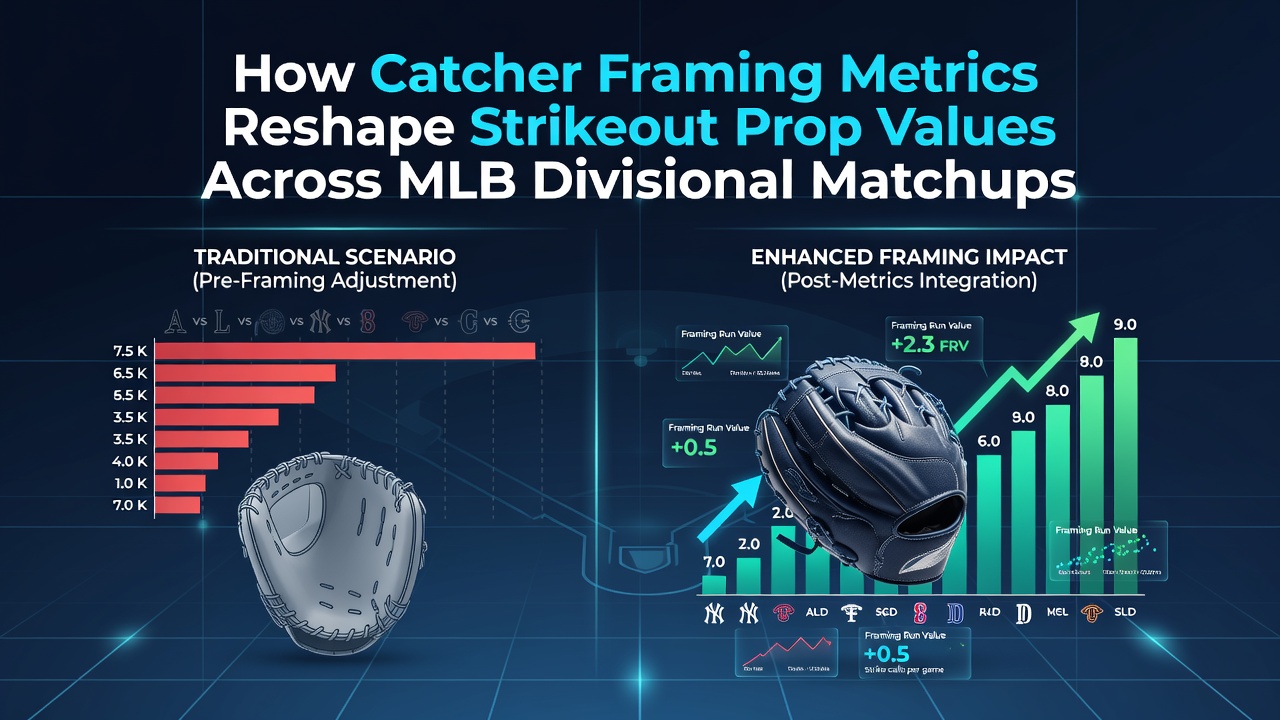
MLB teams track catcher framing through advanced systems like Statcast, which measure how often a catcher converts borderline pitches into called strikes, and these figures directly influence strikeout prop expectations during divisional play where pitching staffs face familiar lineups repeatedly. Observers note that a catcher who adds even a few extra called strikes per game can shift a pitcher's whiff rate upward without any change in velocity or movement, creating measurable differences in player props across repeated matchups within the same division.
Core Components of Modern Framing Data
Researchers compile framing runs above average by comparing each catcher's called strike percentage on pitches outside the rulebook zone to league norms, and this data incorporates variables such as pitch location, count, and batter handedness. Data from the first half of the 2026 season shows several backstops in the American League East posting framing values above +8 runs, while counterparts in the National League West sit closer to league average; those gaps appear most pronounced when the same pitching staffs square off multiple times in a season. Teams integrate these numbers into pregame models that adjust projected strikeout totals, because a strong framer behind the plate effectively enlarges the strike zone by several inches on the edges.
Division-Specific Patterns in 2026
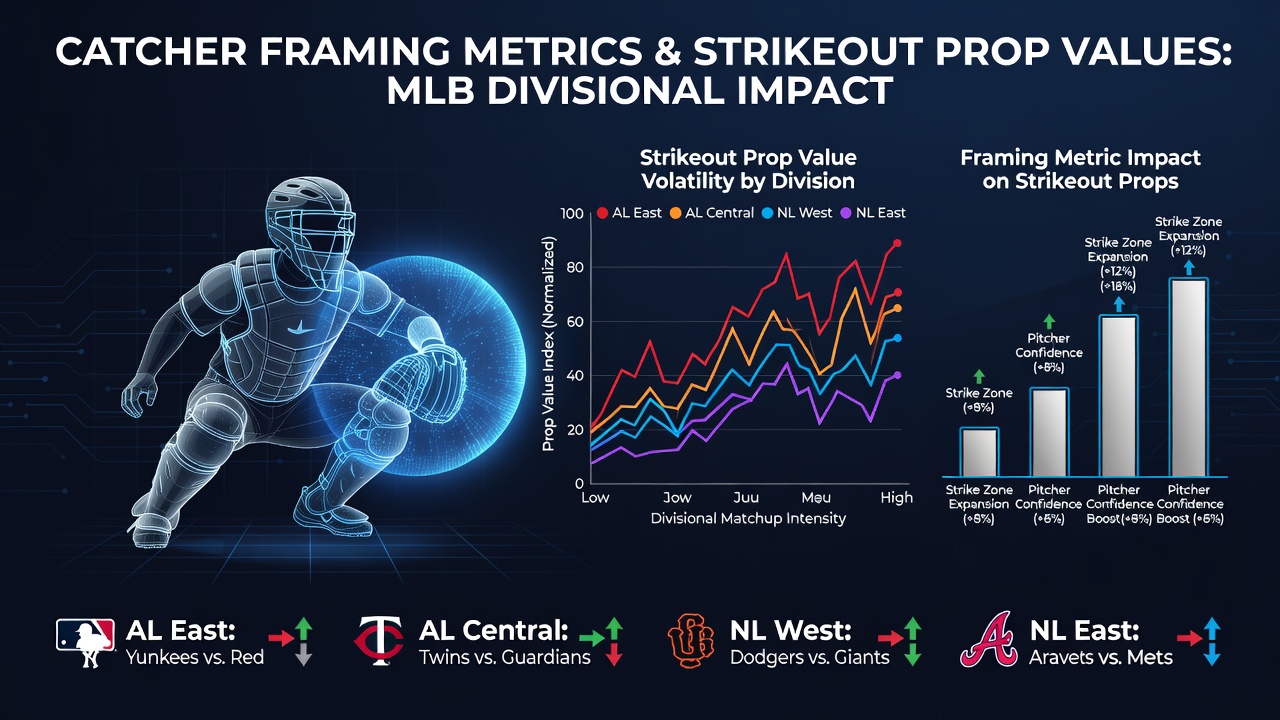
American League Central divisions feature several clubs with above-average framers paired with ground-ball heavy pitching staffs, and historical series data indicates that strikeout props for visiting starters rise when those catchers handle the bulk of innings. In contrast, National League East clubs often deploy catchers with more neutral framing grades, which correlates with steadier strikeout prop lines across intra-division games. Analysts at Fangraphs track these trends through weekly updates that isolate framing impact from pitch-tunnel quality, revealing that framing accounts for roughly 12 to 18 percent of variance in called-strike outcomes during divisional play.
July 2026 series between AL East clubs demonstrated consistent upward adjustments to strikeout props for pitchers facing lineups that had already seen the same catcher multiple times earlier in the month. The adjustments stem from league-wide recognition that framing effects compound when batters grow accustomed to an umpire's strike zone tendencies over repeated exposures.
Connecting Framing to Prop Market Movement
Oddsmakers incorporate catcher-specific framing metrics into strikeout over/under calculations, and market lines for divisional games reflect these inputs more readily than interleague contests because data samples grow larger within divisions. When a catcher posts a high framing grade, the implied strikeout rate for opposing starters increases, while weaker framers produce the opposite effect on the same pitchers. Studies from the University of Waterloo's sports analytics group examined three seasons of divisional data and found that framing-driven called-strike gains translate into an average 0.4 to 0.7 additional strikeouts per nine innings for the home staff.
Case Examples from Recent Divisional Play
One series in the AL West during early July 2026 featured a catcher whose framing runs above average exceeded +10, and strikeout props for opposing starters moved upward by half a strike in betting markets compared with prior road starts against neutral framers. Another matchup in the NL Central showed the reverse pattern when a below-average framer started behind the plate, resulting in lower projected strike totals for the same visiting rotation. Teams that rotate catchers frequently within divisional schedules create additional variance that oddsmakers monitor through updated framing dashboards released every Monday.
Tracking Framing Influence Over Multiple Series
Repeated exposure within a division allows teams to refine framing impact models that account for umpire crews and batter tendencies, and these refinements feed directly into updated strikeout projections. Data compiled through the first four months of 2026 indicates that framing adjustments explain a larger share of strikeout variance in divisional games than in interleague contests, largely because sample sizes permit more stable estimates. Clubs with strong framing catchers therefore see consistent upward pressure on their pitchers' strikeout props during home stands against division rivals.
Conclusion
Framing metrics continue to refine strikeout prop calculations across MLB divisions by quantifying how catchers convert marginal pitches into strikes, and the resulting adjustments appear most stable in repeated intra-division matchups. Organizations that integrate Statcast framing data into daily models produce projections that reflect these effects more accurately than those relying solely on traditional pitch metrics. As the 2026 season progresses, updated framing values will likely maintain their role in shaping expectations for strikeout totals whenever the same pitching staffs and catching tandems face off within their divisions.